House Construction Cost in Pakistan 2026: Per Marla and Per Sq Ft Rates
What does it cost to build a house in Pakistan in 2026? Grey structure and finishing rates per sq ft, 5 marla to 1 kanal estimates, and where to save.
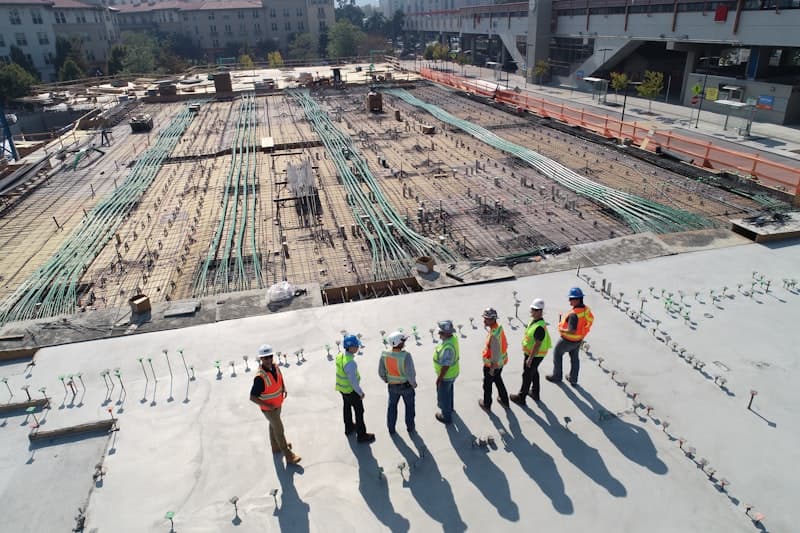
Ask three contractors what it costs to build a house in Lahore and you will get three numbers, sometimes 30% apart. The spread is not dishonesty; it is the difference between grey structure and turnkey, between A-grade and B-grade material, and between a contractor pricing today’s steel and one guessing next quarter’s. This guide breaks construction cost into its real components so you can compare quotes like-for-like and budget a 5 marla, 10 marla or 1 kanal build with realistic numbers for early 2026.
Grey structure vs finishing: the two halves of every budget
Pakistani construction is universally split into two phases, often handled by different contractors.
- Grey structure is the shell: foundation, RCC frame (columns, beams, slabs), brickwork, plaster, stairs, water tanks and the rooftop mumty. It is material-heavy, dominated by steel, cement, bricks, sand and crush.
- Finishing is everything that makes the shell livable: flooring, bathrooms, kitchen, doors and windows, wiring devices, paint, false ceilings, railings and fixtures. It is choice-heavy; the same house can be finished for PKR 2,000 per sq ft or PKR 5,000 per sq ft depending entirely on your selections.
As a rule of thumb the split lands around 55-60% grey structure and 40-45% finishing for a standard build, tilting toward finishing as quality rises.
Construction rates per square foot in 2026 (indicative)
These are planning ranges for major Punjab cities as of early 2026. Karachi and Islamabad typically run somewhat higher on labour; remote areas pay more for material transport. Steel and cement prices move monthly, so confirm live rates before signing anything.
| Scope | Indicative rate (PKR / sq ft) | What drives it |
|---|---|---|
| Grey structure, B-grade material | 2,800-3,200 | Local brick, standard 60-grade steel, mid-tier cement |
| Grey structure, A-grade material | 3,200-3,800 | Awwal brick, branded steel and cement, better waterproofing |
| Finishing, standard | 1,800-2,500 | Local tile, standard sanitary, laminated doors, basic kitchen |
| Finishing, premium | 3,000-5,000+ | Imported tile or marble, branded fittings, solid wood, designer kitchen, false ceilings throughout |
| Complete turnkey, standard | 4,800-6,000 | Grey plus standard finishing combined |
How much covered area does each plot size give?
Construction is billed on covered area, not plot size, and this is where most first-time builders miscalculate. A double-storey house covers most of the plot on the ground floor, repeats it on the first floor, and adds a mumty (stair room) on the roof. Typical covered areas:
| Plot | Plot area (sq ft) | Typical covered area, double storey | Grey structure (indicative) | Complete, standard finish (indicative) |
|---|---|---|---|---|
| 5 marla | 1,125 | 1,800-2,100 sq ft | PKR 55-75 lakh | PKR 95 lakh - 1.3 crore |
| 10 marla | 2,250 | 3,200-3,800 sq ft | PKR 95 lakh - 1.4 crore | PKR 1.6 - 2.3 crore |
| 1 kanal | 4,500 | 5,000-6,500 sq ft | PKR 1.5 - 2.4 crore | PKR 2.5 - 3.9 crore |
Note these figures assume the modern 225 sq ft marla used in planned societies. If your plot is on the traditional 272.25 sq ft marla, the areas and costs scale up; our guide to marla and kanal sizes explains which standard applies where, and the area converter handles the math.
What drives construction cost up or down?
- Steel. The single largest line item, roughly 20-25% of grey structure cost. A 5 marla house consumes around 4-5 tons; a PKR 20,000 per ton price move shifts your budget by a lakh.
- Cement. Expect 1,400-1,800 bags for a 5 marla double storey. Brand and bulk-buying timing matter.
- Labour. Mason and steel-fixer rates vary 15-25% between cities and seasons. Labour shortages after Eid and during harvest push rates up.
- Soil conditions. Weak or filled soil means deeper foundations or a raft, adding several lakhs before you rise above ground. Pay for a soil test on filled or low-lying plots; it costs thousands and can save lakhs.
- Design. Large spans, double-height lobbies, basements and heavy cantilevers all multiply steel and shuttering cost. A simple rectangular footprint is the cheapest structure per square foot.
Stage-by-stage cost breakdown
For a standard 5 marla double-storey build at indicative 2026 rates, the budget distributes roughly like this. Use it to sanity-check contractor running bills.
| Stage | Share of total cost | Includes |
|---|---|---|
| Foundation and plinth | 10-12% | Excavation, termite treatment, footing, plinth beam, backfill |
| Structure (columns, beams, slabs) | 22-26% | RCC frame, both floor slabs, stairs, mumty slab |
| Brickwork | 12-14% | External and internal walls, parapets |
| Plaster and grey works | 8-10% | Internal and external plaster, water tanks, DPC |
| Electrical (rough and final) | 6-8% | Conduiting, wiring, distribution board, switches, fixtures |
| Plumbing and sanitary | 6-8% | Drainage and supply lines, bathroom and kitchen fixtures |
| Finishes | 26-32% | Flooring, doors and windows, kitchen, paint, ceilings, fittings |
For a personalised estimate by city, plot size and finish level, run the numbers in our construction cost calculator before you collect quotes; walking in with your own estimate changes the conversation with contractors.
One quoting trap to avoid: some contractors price "per marla of construction", a vague unit that hides what is and is not included. Insist every quote is expressed per square foot of covered area against a written specification sheet listing brick grade, steel brand, cement brand, mix ratios and what counts as covered (some count the mumty and porch at full rate, others at half). Two quotes can only be compared once they describe the same building.
How to save money without weakening the structure
Cut anywhere except the skeleton. Steel grade, cement ratio, cover blocks and curing time are not negotiable; everything below is.
- Simplify the design. Every extra corner, curve and cantilever costs money in shuttering and steel. A clean facade with good proportions beats a busy one built cheap.
- Buy material at the right moment. Steel and cement often soften in winter construction lulls. Booking your full steel requirement in one negotiated lot beats drip-buying at retail.
- Stage the finishing. Complete bedrooms and one washroom fully; leave the second kitchen, rooftop room or basement finishing for later years. A house can be moved into at 85% finished.
- Spend on tile where you look, not where you walk past. Premium tile in the lounge and entrance, standard tile in bedrooms and service areas, saves several lakhs invisibly.
- Local alternatives for hidden items. Branded pipes and wiring inside walls, yes. Imported fittings in a servant washroom, no.
- Do not skimp on waterproofing. Roof and washroom waterproofing is cheap during the build and miserable to retrofit. This is a saving that always backfires.
With-material vs labour-rate contracts: which should you choose?
Two contract models dominate. Under a with-material (turnkey) contract, the builder quotes a single per-sq-ft rate covering labour and material to a written specification. You pay in stage-linked instalments and hold him to the spec sheet. Under a labour-rate contract, you buy all materials yourself and pay the contractor only for labour, commonly a few hundred rupees per sq ft for grey structure. Labour-rate is cheaper and gives you full material control, but it makes you the project manager: daily site presence, vendor negotiation, theft and wastage control. Turnkey costs more and demands a watertight contract: exact brands and grades in writing, stage-wise payment schedule, penalty clause for delay, and your right to test materials. Whichever route you take, never pay ahead of completed work; the payment schedule is your only real leverage.
The bottom line
Budget on covered area, not plot size; split every quote into grey structure and finishing before comparing; and add a 10-15% contingency, because every build in Pakistan finds a way to spend it. Start with the construction cost calculator for your baseline, and if you are still choosing between buying built and building yourself, our first-time home buyer guide walks through that trade-off.
Frequently Asked Questions
What is the construction cost of a 5 marla house in Pakistan in 2026?
A double-storey 5 marla house has roughly 1,800-2,100 sq ft of covered area. At indicative early-2026 rates, the grey structure costs around PKR 55-75 lakh and standard finishing another PKR 40-55 lakh, putting a complete house broadly in the PKR 95 lakh to 1.3 crore range. Premium finishes push it well beyond that. Rates move with steel and cement prices, so treat these as planning figures only.
What is included in grey structure construction?
Grey structure covers everything up to a bare concrete-and-brick shell: excavation and foundation, columns, beams, slabs (lenter), brickwork, internal plaster, rooftop mumty and parapet, plus underground and overhead water tanks. It excludes electrical fittings, plumbing fixtures, tiles, woodwork, paint, windows and kitchen.
How is covered area different from plot size?
Plot size is the land; covered area is the built floor space across all storeys, and construction is priced on covered area. A 10 marla plot is 2,250 sq ft of land, but a double-storey house on it typically has 3,200-3,800 sq ft covered once you build both floors and a mumty.
Is it cheaper to build with material or on labour rate?
A labour-rate (with-material-by-owner) contract is usually 10-20% cheaper on paper because you buy materials yourself and avoid the contractor margin on them. But it demands daily involvement, market knowledge and theft control. A with-material (turnkey) contract costs more but transfers price risk and procurement headaches to the builder. First-time builders who cannot visit the site most days are often better off turnkey with a strong written contract.
How long does it take to build a house in Pakistan?
A 5 marla house typically takes 8-12 months, a 10 marla 10-14 months, and a 1 kanal 12-18 months, assuming steady funding. Payment delays, design changes mid-build and winter slowdowns are the usual reasons projects drift past these ranges.
Related Guides
Ready to Find Your Property?
Browse thousands of houses, flats and plots across Pakistan — listing is 100% free.